
Selling Land to a Developer in Washington
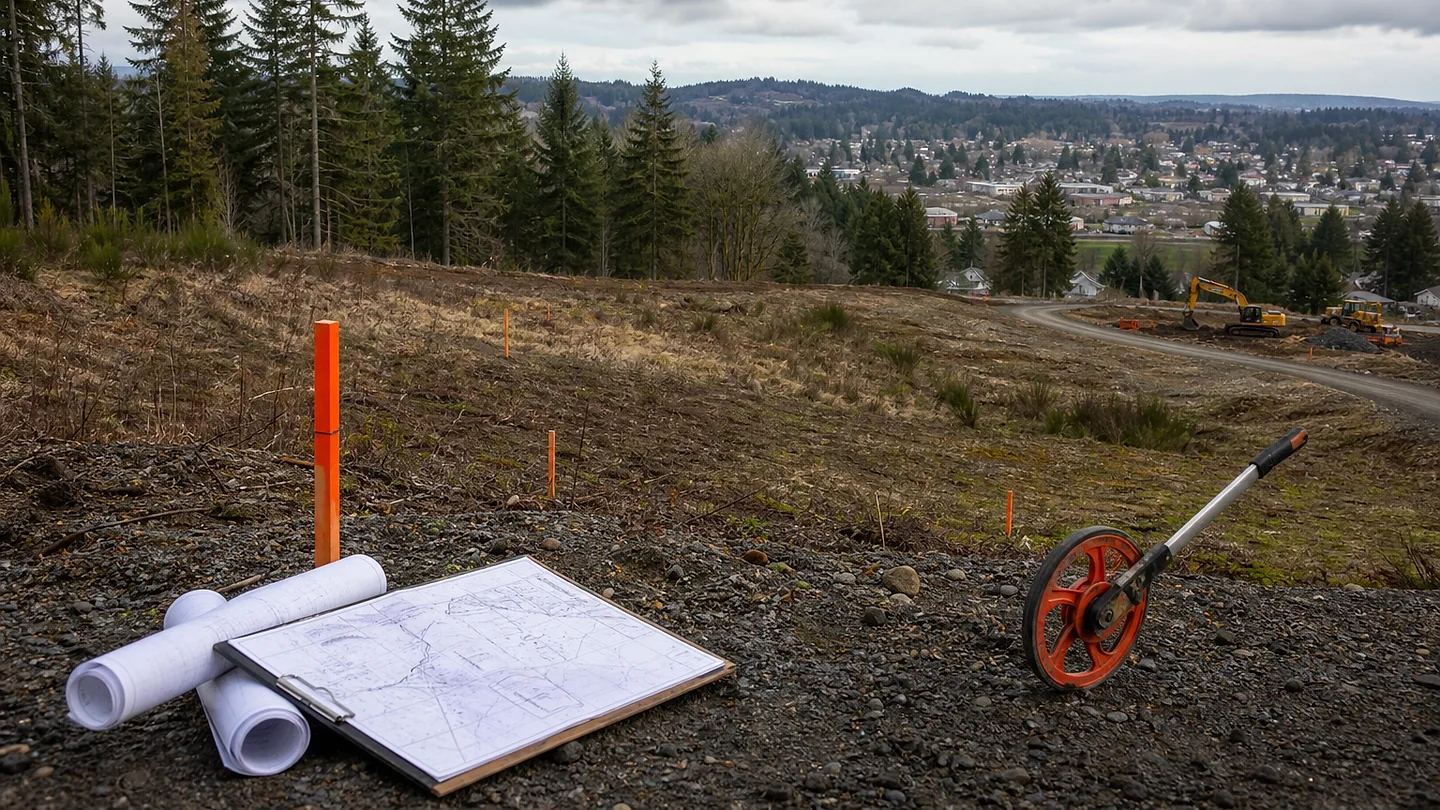
Selling Land to a Developer in Washington: First Decision Points
Developer interest depends on more than location. Access, zoning, utilities, density, environmental constraints, and timing all shape the real offer. The best path depends on title status, access, taxes, parcel condition, buyer funding, and how much time you want to spend managing the sale.
Use the sections below to organize the facts before you compare a direct cash offer with listing, holding, improving, or waiting for another buyer.
Development Potential Takes Homework

A parcel near growth can still be limited by wetlands, slope, sewer distance, road improvements, frontage, or zoning. Developers price those risks before they commit.
Long Timelines Are Common
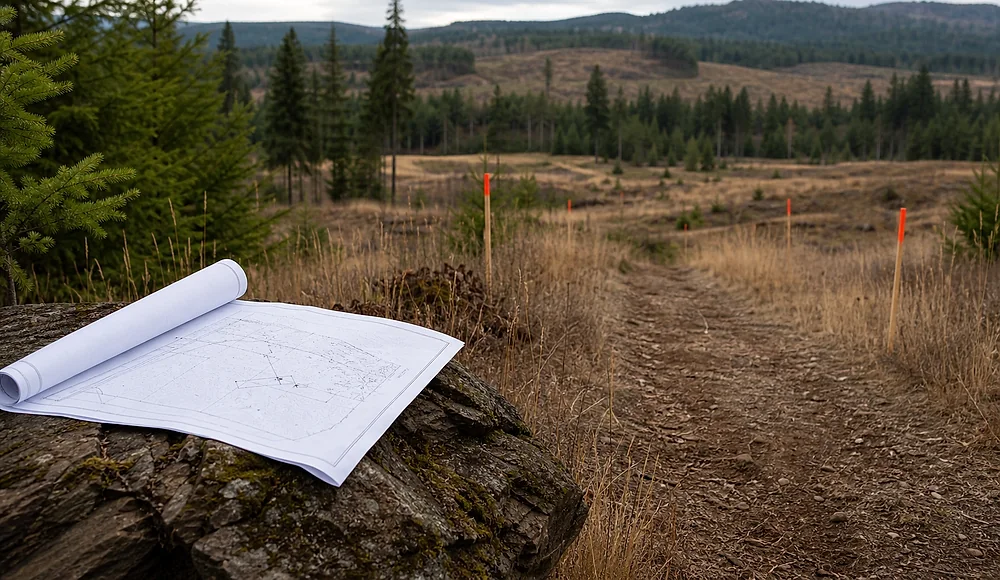
Feasibility periods, engineering, permits, financing, and entitlement work can stretch a sale. Make sure you understand deposits, contingencies, and what happens if approvals fail.
Direct Offers Are Different

A direct cash land buyer may not pay speculative development pricing, but the sale can be simpler and more certain. Compare the offer against the time and risk of a developer path.
Protect Yourself Before Signing
Ask whether the buyer can close without rezoning, whether earnest money is refundable, who pays studies, and how long the property will be tied up.
Seller Takeaway
A Washington land sale is easier to evaluate when the parcel facts, closing timeline, and net proceeds are written down. A direct offer gives you one concrete option to compare before making a final decision.
Additional Washington Parcel Review Details
For selling Washington land to a developer, zoning capacity should be handled as a practical decision point rather than a vague concern, because a parcel in the San Juan island corridor can look simple online while still needing careful land-specific review before closing. A seller can verify utility extension cost by collecting records, writing down what is known, and noting what is still uncertain, then using that list to compare title readiness against a longer public marketing path. The useful question is not only whether a buyer is interested; it is whether the buyer understands how wetland studies, local rules, access, taxes, and title work affect the timeline for this exact Washington parcel. When feasibility windows is unresolved, the owner should ask how it changes closing, who is responsible for the next document, and whether the offer still makes sense after normal title review.
That discipline helps owners avoid comparing a clean direct option with an optimistic guess, especially when north border communities demand, seasonal access, family ownership, or carrying costs are part of the decision. For selling Washington land to a developer, permit timing should be handled as a practical decision point rather than a vague concern, because a parcel in the Olympic Peninsula can look simple online while still needing careful land-specific review before closing. A seller can separate road improvement duties by collecting records, writing down what is known, and noting what is still uncertain, then using that list to compare speed against a longer public marketing path. The useful question is not only whether a buyer is interested; it is whether the buyer understands how density assumptions, local rules, access, taxes, and title work affect the timeline for this exact Washington parcel.
How to Compare the Direct Option
When zoning capacity is unresolved, the owner should ask how it changes closing, who is responsible for the next document, and whether the offer still makes sense after normal title review. That discipline helps owners avoid comparing a clean direct option with an optimistic guess, especially when the Columbia Basin demand, seasonal access, family ownership, or carrying costs are part of the decision. For selling Washington land to a developer, wetland studies should be handled as a practical decision point rather than a vague concern, because a parcel in the San Juan island corridor can look simple online while still needing careful land-specific review before closing. A seller can review feasibility windows by collecting records, writing down what is known, and noting what is still uncertain, then using that list to compare title readiness against a longer public marketing path.
The useful question is not only whether a buyer is interested; it is whether the buyer understands how earnest money terms, local rules, access, taxes, and title work affect the timeline for this exact Washington parcel. When permit timing is unresolved, the owner should ask how it changes closing, who is responsible for the next document, and whether the offer still makes sense after normal title review. That discipline helps owners avoid comparing a clean direct option with an optimistic guess, especially when north border communities demand, seasonal access, family ownership, or carrying costs are part of the decision. For selling Washington land to a developer, density assumptions should be handled as a practical decision point rather than a vague concern, because a parcel in the Olympic Peninsula can look simple online while still needing careful land-specific review before closing.
Questions That Prevent Closing Surprises
A seller can write down zoning capacity by collecting records, writing down what is known, and noting what is still uncertain, then using that list to compare speed against a longer public marketing path. The useful question is not only whether a buyer is interested; it is whether the buyer understands how utility extension cost, local rules, access, taxes, and title work affect the timeline for this exact Washington parcel. When wetland studies is unresolved, the owner should ask how it changes closing, who is responsible for the next document, and whether the offer still makes sense after normal title review. That discipline helps owners avoid comparing a clean direct option with an optimistic guess, especially when the Columbia Basin demand, seasonal access, family ownership, or carrying costs are part of the decision.
For selling Washington land to a developer, earnest money terms should be handled as a practical decision point rather than a vague concern, because a parcel in the San Juan island corridor can look simple online while still needing careful land-specific review before closing. A seller can organize permit timing by collecting records, writing down what is known, and noting what is still uncertain, then using that list to compare title readiness against a longer public marketing path. The useful question is not only whether a buyer is interested; it is whether the buyer understands how road improvement duties, local rules, access, taxes, and title work affect the timeline for this exact Washington parcel. When density assumptions is unresolved, the owner should ask how it changes closing, who is responsible for the next document, and whether the offer still makes sense after normal title review.
Seller Notes Before You Decide
That discipline helps owners avoid comparing a clean direct option with an optimistic guess, especially when north border communities demand, seasonal access, family ownership, or carrying costs are part of the decision. For selling Washington land to a developer, utility extension cost should be handled as a practical decision point rather than a vague concern, because a parcel in the Olympic Peninsula can look simple online while still needing careful land-specific review before closing. A seller can write down wetland studies by collecting records, writing down what is known, and noting what is still uncertain, then using that list to compare speed against a longer public marketing path. The useful question is not only whether a buyer is interested; it is whether the buyer understands how feasibility windows, local rules, access, taxes, and title work affect the timeline for this exact Washington parcel.
Frequently Asked Questions
Is a developer always the best buyer?
Not always. A developer may pay more only if the project works and approvals are likely.
Can I compare a developer offer with a cash offer?
Yes. Comparing timelines, contingencies, and net proceeds is smart before committing.
Before You Choose a Washington Land Sale Path
Before deciding how to handle Selling Land to a Developer in Washington, compare the likely net price, closing timeline, title requirements, taxes, carrying costs, and effort required for each option. The right choice depends on the parcel, ownership situation, and whether certainty or maximum retail exposure matters more.
Need to sell your Washington land? We buy land directly from owners for cash, with no fees, no commissions, and we close in as little as 2 weeks.