
Legal Documents for Selling Land in Washington

Legal Documents for Selling Land in Washington: First Decision Points
The documents for a Washington land sale depend on ownership, title history, payoffs, and how the closing is handled. The best path depends on title status, access, taxes, parcel condition, buyer funding, and how much time you want to spend managing the sale.
Use the sections below to organize the facts before you compare a direct cash offer with listing, holding, improving, or waiting for another buyer.
Basic Parcel Records
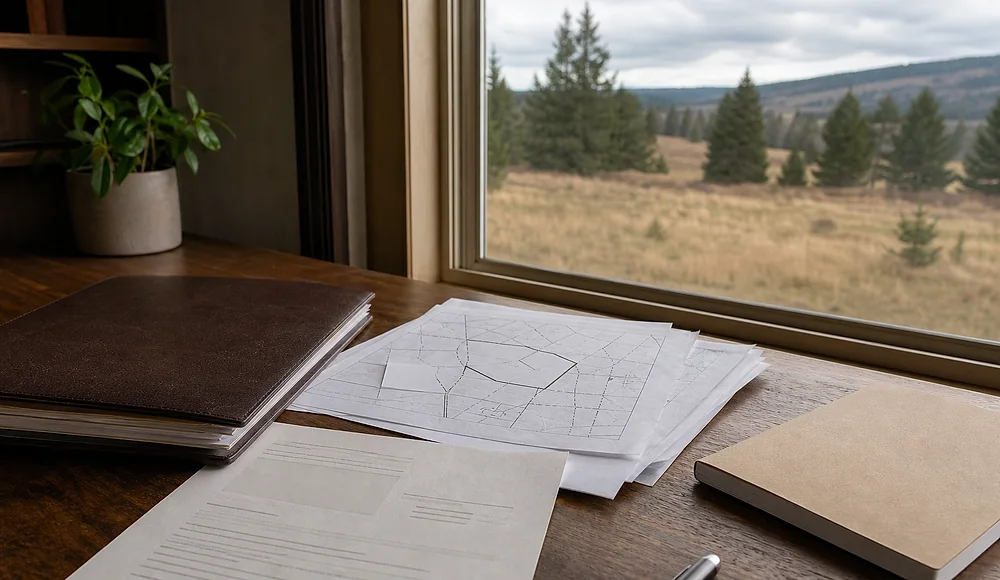
Start with the deed, parcel number, tax bill, legal description, and any survey, easement, road agreement, or prior title report you can find. These records help title confirm what is being sold.
Seller Authority Documents
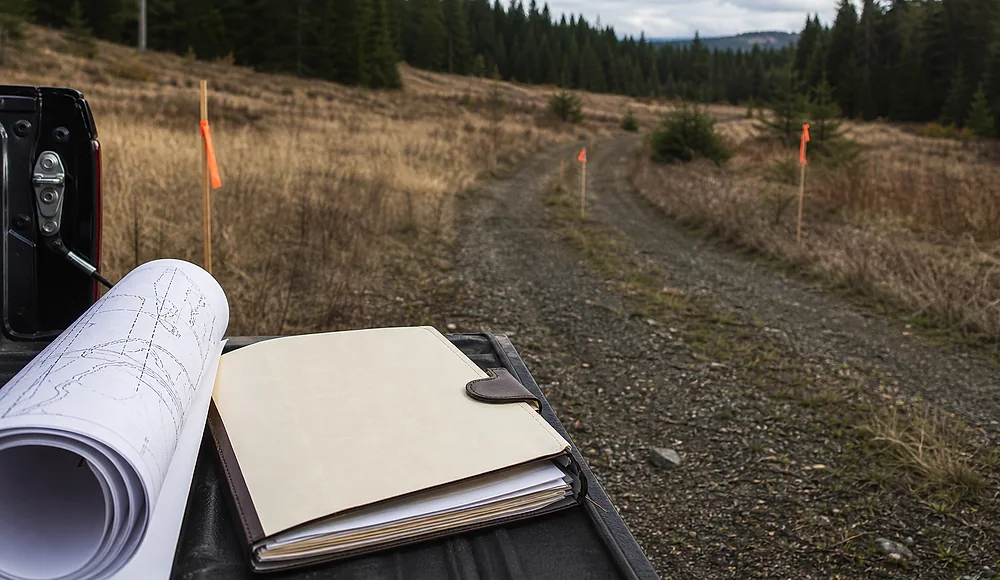
Trusts, estates, LLCs, marriages, divorces, powers of attorney, and multiple heirs can all change who must sign. Do not assume one family member can close alone until title confirms it.
Closing Statement and Deed
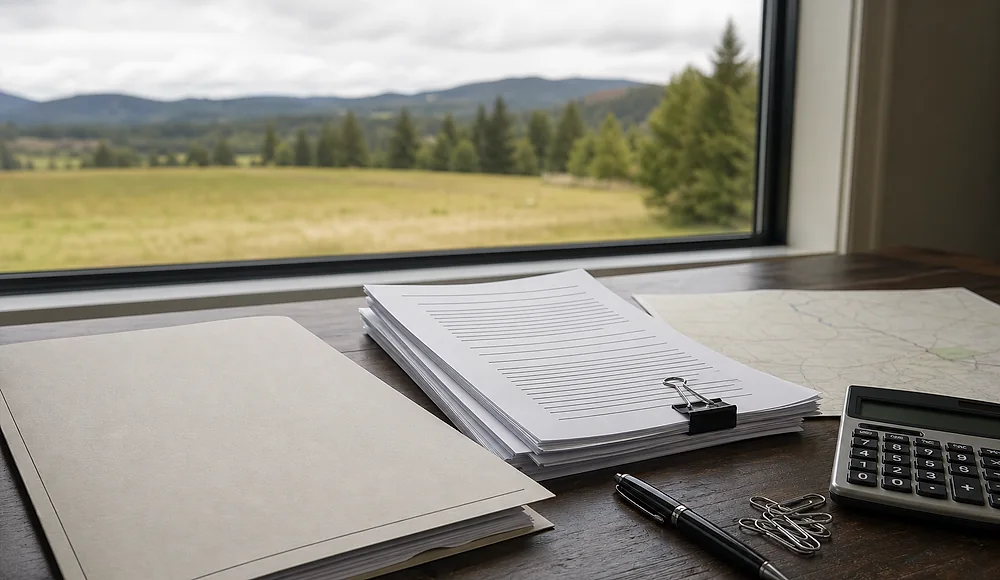
The title company prepares or coordinates closing documents, payoff items, recording, and funds. Review the settlement statement so you understand taxes, fees, credits, and net proceeds.
When to Ask for Professional Help
If ownership is unclear, the land is in an entity, probate is involved, or liens appear, ask a qualified professional before signing a purchase agreement.
Seller Takeaway
A Washington land sale is easier to evaluate when the parcel facts, closing timeline, and net proceeds are written down. A direct offer gives you one concrete option to compare before making a final decision.
Additional Washington Parcel Review Details
For Washington land sale documents, deed references should be handled as a practical decision point rather than a vague concern, because a parcel in the Columbia Basin can look simple online while still needing careful land-specific review before closing. A seller can document legal description by collecting records, writing down what is known, and noting what is still uncertain, then using that list to compare holding cost against a longer public marketing path. The useful question is not only whether a buyer is interested; it is whether the buyer understands how tax parcel number, local rules, access, taxes, and title work affect the timeline for this exact Washington parcel. When easement copies is unresolved, the owner should ask how it changes closing, who is responsible for the next document, and whether the offer still makes sense after normal title review.
That discipline helps owners avoid comparing a clean direct option with an optimistic guess, especially when the Yakima Valley demand, seasonal access, family ownership, or carrying costs are part of the decision. For Washington land sale documents, trust paperwork should be handled as a practical decision point rather than a vague concern, because a parcel in north border communities can look simple online while still needing careful land-specific review before closing. A seller can verify closing statement by collecting records, writing down what is known, and noting what is still uncertain, then using that list to compare net proceeds against a longer public marketing path. The useful question is not only whether a buyer is interested; it is whether the buyer understands how recording instructions, local rules, access, taxes, and title work affect the timeline for this exact Washington parcel.
How to Compare the Direct Option
When deed references is unresolved, the owner should ask how it changes closing, who is responsible for the next document, and whether the offer still makes sense after normal title review. That discipline helps owners avoid comparing a clean direct option with an optimistic guess, especially when Puget Sound demand, seasonal access, family ownership, or carrying costs are part of the decision. For Washington land sale documents, tax parcel number should be handled as a practical decision point rather than a vague concern, because a parcel in the Columbia Basin can look simple online while still needing careful land-specific review before closing. A seller can confirm easement copies by collecting records, writing down what is known, and noting what is still uncertain, then using that list to compare holding cost against a longer public marketing path.
The useful question is not only whether a buyer is interested; it is whether the buyer understands how entity authority, local rules, access, taxes, and title work affect the timeline for this exact Washington parcel. When trust paperwork is unresolved, the owner should ask how it changes closing, who is responsible for the next document, and whether the offer still makes sense after normal title review. That discipline helps owners avoid comparing a clean direct option with an optimistic guess, especially when the Yakima Valley demand, seasonal access, family ownership, or carrying costs are part of the decision. For Washington land sale documents, recording instructions should be handled as a practical decision point rather than a vague concern, because a parcel in north border communities can look simple online while still needing careful land-specific review before closing.
Questions That Prevent Closing Surprises
A seller can write down deed references by collecting records, writing down what is known, and noting what is still uncertain, then using that list to compare net proceeds against a longer public marketing path. The useful question is not only whether a buyer is interested; it is whether the buyer understands how legal description, local rules, access, taxes, and title work affect the timeline for this exact Washington parcel. When tax parcel number is unresolved, the owner should ask how it changes closing, who is responsible for the next document, and whether the offer still makes sense after normal title review. That discipline helps owners avoid comparing a clean direct option with an optimistic guess, especially when Puget Sound demand, seasonal access, family ownership, or carrying costs are part of the decision.
For Washington land sale documents, entity authority should be handled as a practical decision point rather than a vague concern, because a parcel in the Columbia Basin can look simple online while still needing careful land-specific review before closing. A seller can confirm trust paperwork by collecting records, writing down what is known, and noting what is still uncertain, then using that list to compare holding cost against a longer public marketing path. The useful question is not only whether a buyer is interested; it is whether the buyer understands how closing statement, local rules, access, taxes, and title work affect the timeline for this exact Washington parcel. When recording instructions is unresolved, the owner should ask how it changes closing, who is responsible for the next document, and whether the offer still makes sense after normal title review.
Seller Notes Before You Decide
That discipline helps owners avoid comparing a clean direct option with an optimistic guess, especially when the Yakima Valley demand, seasonal access, family ownership, or carrying costs are part of the decision. For Washington land sale documents, legal description should be handled as a practical decision point rather than a vague concern, because a parcel in north border communities can look simple online while still needing careful land-specific review before closing. A seller can verify tax parcel number by collecting records, writing down what is known, and noting what is still uncertain, then using that list to compare net proceeds against a longer public marketing path. The useful question is not only whether a buyer is interested; it is whether the buyer understands how easement copies, local rules, access, taxes, and title work affect the timeline for this exact Washington parcel.
When entity authority is unresolved, the owner should ask how it changes closing, who is responsible for the next document, and whether the offer still makes sense after normal title review. That discipline helps owners avoid comparing a clean direct option with an optimistic guess, especially when Puget Sound demand, seasonal access, family ownership, or carrying costs are part of the decision. For Washington land sale documents, closing statement should be handled as a practical decision point rather than a vague concern, because a parcel in the Columbia Basin can look simple online while still needing careful land-specific review before closing. A seller can verify recording instructions by collecting records, writing down what is known, and noting what is still uncertain, then using that list to compare holding cost against a longer public marketing path.
Additional Washington Parcel Review Details
The useful question is not only whether a buyer is interested; it is whether the buyer understands how deed references, local rules, access, taxes, and title work affect the timeline for this exact Washington parcel.
Frequently Asked Questions
Do I need a survey to request an offer?
No. A survey can help, but you can start with parcel records and access notes.
Who prepares the deed?
The closing or title professional normally coordinates deed preparation and recording.
Before You Choose a Washington Land Sale Path
Before deciding how to handle Legal Documents for Selling Land in Washington, compare the likely net price, closing timeline, title requirements, taxes, carrying costs, and effort required for each option. The right choice depends on the parcel, ownership situation, and whether certainty or maximum retail exposure matters more.
Need to sell your Washington land? We buy land directly from owners for cash, with no fees, no commissions, and we close in as little as 2 weeks.